

trading strategies with position limits

The terminology in the stage business world can be quite perplexing, specially when it comes to money matters, but understanding the many rigorous rules related with monetary resource is indispensable to a company's survival and achiever. Ideally, a business thrives, and owners can focus on laws related to business enterprise reporting, stock offerings and money management, only information technology's equally important to follow the correct legal rules and procedures when a business organization is struggling financially.
If a company's financial difficulties reach the point of insolvency — a state that occurs when the company can no longer pay out its debts — really specific rules must be followed to control that belly-up trading doesn't fall out. To help you better translate the rules and repercussions, we've piece this quick guide to explain insolvent trading claims and allied topics like liquidation and bankruptcy.
In layman's price, you can think of insolvency as the trigger for bankruptcy. IT's a sign of severe economic distress that comes in two forms: cash flow insolvency and balance tack insolvency. Cash flow insolvency occurs when debtors don't have the money to make payments happening business enterprise obligations when they're due. In some cases, information technology could be a temporary situation that is corrected as soon as money comes into the company from gross sales, loans or other sources.

Balance sheet insolvency is more severe and occurs when the company's debts are greater than its assets. This type of insolvency is often the tipping channelize that pushes a company over the border into failure, either in the form of debt restructuring or sum up elimination of assets. Imputable the differences in types, a business ass be insolvent without being bankrupt if it can correct the cash flow problem. However, IT behind't constitute bankrupt without first being belly-up.
Insolvent Trading Claims: A Legal brief Definition
For businesses or so the international, putting shareholders first is par for the course of study during normal business operations. However, once a company becomes belly-up, the focus must legally teddy to taking care of creditors above everyone else. Continuing daily business operations that could potentially incur additional debt when a business already can't pay its existing debts leaves company directors defenceless to insolvent trading claims. If these claims are deemed reasonable, the directors are subject to civil penalties, including being held in person responsible for debts incurred during times of insolvency.

In Europe, insolvency laws are similar to U.S. bankruptcy laws, demur they have traditionally focused to a lesser extent on restructuring bankrupt businesses to give them a chance to become profitable again. In other words, reorganization failure — Chapter 11 in the U.S. — is practically less common in EU, although the laws vary from country to state. Experts conceive that reform is inevitable and will hand businesses a better chance of recovering while limiting creditors' losses.
Who Makes Insolvent Trading Claims?
When a caller becomes bankrupt, a liquidator is appointed to protect the interests of the company's creditors and liquidate assets to pay debts. When liquidators are notified of insolvent trading, they are duty-bound to investigate. They often initiate belly-up trading claims themselves, but creditors can too take fulfi regarding their debts. The claim stop in the main extends for a period of several years, starting from the onset of liquidation. Unless a company's directors had reasonable grounds to believe the society was result when they conducted business, creditors could go after judicial action to collect debts from the directors personally.

Liquidation Explained
In European markets and U.S. bankruptcies equal Chapter 7, insolvency triggers the decisiveness to end a byplay and knock off the byplay' assets, either by distributing its assets to respective creditors or by selling the assets and distributing the proceeds to the various creditors. One time the process is complete, the business no more exists.
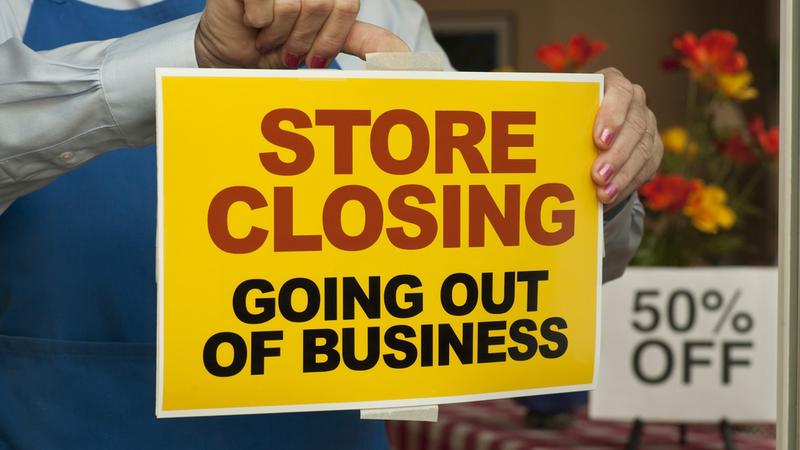
In the U.S., the Justice oversees the distribution of assets. In most cases, the first distributions go to creditors with the to the highest degree senior claims World Health Organization secured collateral on the loans they provided to the line of work. Unsecured creditors like bondholders and employees are square next. If whatever funds are left after gainful those debts, shareholders receive the remaining assets.
U.S. Bankruptcy Laws
Accordant to IRS rules in the U.S., a person or entity is insolvent when their total liabilities are greater than their total assets. At that point, failure is a valid legal tool governed aside federal laws for creating a be after for paying creditors. Bankruptcy laws in the U.S. favor shakeup of debt more often than European insolvency systems. Chapter 11 failure allows a business' direction squad to continue with daily trading operations throughout the shakeup process.

The bankruptcy courts ingest to approve all major concern decisions, but this gives the business a chance to reconstitute its debt to reduce payments and potentially regain profitability. Chapter 7 bankruptcy, however, requires the business to halt each trading operations. The courts name a trustee to sell the company's assets to pay the company's debts in this form of bankruptcy.

trading strategies with position limits
Source: https://www.askmoney.com/investing/insolvent-trading-claim?utm_content=params%3Ao%3D1465803%26ad%3DdirN%26qo%3DserpIndex
Posted by: gonzalezwhences.blogspot.com
0 Response to "trading strategies with position limits"
Post a Comment